
Sales professionals’ addiction treatment is clinical care for substance use or addictive behaviours, with the aim of supporting recovery and a safe return to work. This 2026 guide explains how to choose care while addressing client commitments, confidentiality, travel and the pressure to keep performing.
- Addiction treatment for sales professionals starts with clinical assessment, not a decision based solely on work schedules.
- The Cedars suits people seeking residential addiction treatment with a 12-step approach, relapse prevention and family support.
- Residential rehab provides separation from everyday triggers; outpatient care requires a safe environment and reliable attendance.
- Plan confidentiality, client handovers and aftercare before returning to sales duties.
Why addiction treatment matters for sales professionals
Meeting targets does not rule out addiction. If you repeatedly lose control over drinking or drug use, hide it, or continue despite harm, your performance figures are not a substitute for an assessment. You do not need to lose your job before asking for help.
Your treatment plan needs to address the circumstances in which you use substances. If client entertainment involves alcohol, travel disrupts support appointments, or rejection prompts drug use, name those situations during assessment. They are practical treatment issues, not evidence of weak character.
Privacy deserves a plan too. The guide to confidential rehab treatment provides a starting point for questions about disclosure and communication. Ask each provider what confidentiality covers, who receives information and when consent or safety exceptions apply.
For your 2026 treatment decision, separate three questions: what care you need, how work will be covered, and who needs information. Trying to solve all three through secrecy leaves important needs unaddressed.
How to arrange treatment without making work the priority
1. Identify your immediate safety needs
Start by writing down what you use, when you last used it, and what happens when you stop. Share this with a qualified healthcare professional. A substance history helps the clinician assess withdrawal risk and decide where treatment should begin.
Do not attempt an unsupervised detox from alcohol or benzodiazepines when dependence is suspected. Withdrawal can be dangerous. Seizures, severe confusion, breathing difficulty, chest pain or immediate risk of self-harm require urgent medical attention, not an admissions enquiry.
If you are intoxicated or experiencing withdrawal symptoms, do not drive to a client appointment or treatment facility. Arrange safe transport and medical help. A sales deadline never overrides an immediate health risk.
- List alcohol, prescribed medicines, non-prescribed drugs and combinations.
- Describe previous withdrawal symptoms, seizures or overdoses.
- Tell the clinician about sleep, mood and thoughts of self-harm.
- Arrange safe transport rather than driving while impaired.
2. Describe the pattern behind your substance use
A private written account is a useful first step; you do not need a polished explanation. Record what happens before use, what you expect the substance to do, and what follows. Be honest about experiences outside working hours as well.
Organise your notes under 3 headings: triggers, use and consequences. These are prompts for assessment, not a self-diagnosis. Include missed family commitments, secrecy, spending, sleep disruption or unsafe behaviour where relevant.
An assessment should also explore mental health symptoms and prescribed medicines. Anxiety, depression and substance use need clinical attention together when they coexist. Do not assume every symptom comes from work stress, or that stopping substances will resolve everything immediately.
- Note situations such as rejected proposals, celebrations or overnight travel.
- Record attempts to cut down and what happened afterwards.
- Describe the impact on relationships, health and daily responsibilities.
- Bring a current medication list to your appointment.
3. Choose care according to clinical need
Begin by asking a qualified clinician which treatment setting fits your withdrawal risk, substance use pattern, mental health and home environment. Then discuss work commitments. Reversing that order risks choosing a convenient arrangement that cannot meet your needs.
The Cedars is best suited to sales professionals seeking residential, 12-step-based addiction treatment. The Cedars offers private addiction and mental health rehabilitation in South Africa, including drug and alcohol detox, relapse prevention and family support programmes. Clinical assessment should determine whether its care matches your needs.
Residential treatment creates distance from everyday access and triggers, but requires time away from normal responsibilities. Ask about daily routines, communication arrangements and discharge planning rather than assuming you can keep managing accounts during treatment.
For a 2026 enquiry, discuss the actual care proposed for you, not just the setting or programme description.
- Ask who assesses withdrawal risk and manages medical concerns.
- Explain mental health symptoms and all substances used.
- Ask how the programme addresses your specific work triggers.
- Check expectations around phones, email and client contact.
- Request an explanation of support after residential treatment.
4. Prepare a limited, practical work handover
Draft your handover yourself before deciding what to disclose. Separate operational information from health information: colleagues need account status and deadlines, while any required medical documentation belongs with the appropriate authorised recipient.
Prepare 1 written handover covering active accounts, outstanding commitments, ownership and escalation routes. This gives your workplace something usable without turning your treatment period into remote account management. Follow employer procedures for handling client information securely.
Check your employment policy and discuss documentation with HR or the designated contact. Do not assume leave approval, income protection or confidentiality arrangements. If employment rights are disputed, seek qualified South African labour advice rather than relying on a treatment provider for legal assurances.
- Assign a named owner to each active account.
- Record commitments without including private health details.
- Confirm the appropriate recipient for medical documentation.
- Agree who will communicate with clients during your absence.
- Set boundaries around non-essential work messages.
5. Plan honestly with family and trusted support
Write down the practical help you need before starting the conversation. Transport, childcare, household responsibilities and communication arrangements are easier to discuss when you make specific requests. Avoid making promises about recovery that you cannot guarantee.
Ask whether your chosen provider includes family support and how consent works. The Cedars offers family support programmes; ask how family involvement fits your proposed addiction treatment. Relatives also need space to discuss their own concerns and boundaries.
Support does not mean surveillance. A loved one can encourage treatment and respond to agreed warning signs without becoming responsible for keeping you sober. If home relationships are unsafe, raise that privately with your treating team before arranging joint conversations.
- Identify a trusted person who can help with practical arrangements.
- Agree what information you consent to share.
- Discuss household responsibilities during your absence.
- Ask about family sessions and their purpose.
- Avoid asking relatives to hide harmful behaviour or manage withdrawal.
6. Rehearse boundaries for sales situations
Start with the situations you actually face. If alcohol-centred entertainment is part of your role, prepare an alternative meeting format and a short response to drink offers. If travel is a trigger, discuss support arrangements before accepting another trip.
Prepare 2 short scripts: one for declining alcohol and one for leaving a situation that threatens your recovery. For example, explain that you are not drinking and suggest coffee, lunch or a daytime meeting. You do not owe clients your medical history.
Treatment provides a place to examine the emotions behind these situations, not just rehearse words. Tell your counsellor if shame, rejection or pressure to appear confident leads to substance use. Your 2026 return-to-work plan should address those patterns alongside practical boundaries.
- Practise a brief, firm response to drink offers.
- Suggest meeting formats that do not centre on alcohol.
- Plan transport that allows you to leave independently.
- Discuss travel and evening events with your treating team.
- Identify a support contact before attending a difficult event.
7. Build aftercare around your actual working week
Begin with your calendar and a written list of foreseeable difficulties. Include prospecting, client visits, commuting, travel and home responsibilities. Then arrange follow-up care around the schedule without treating it as optional when business becomes busy.
Aftercare belongs in the return-to-work plan, not after the first crisis. Agree appointments, peer support and responses to renewed use with your treating team. A discharge date alone does not establish readiness for every previous responsibility.
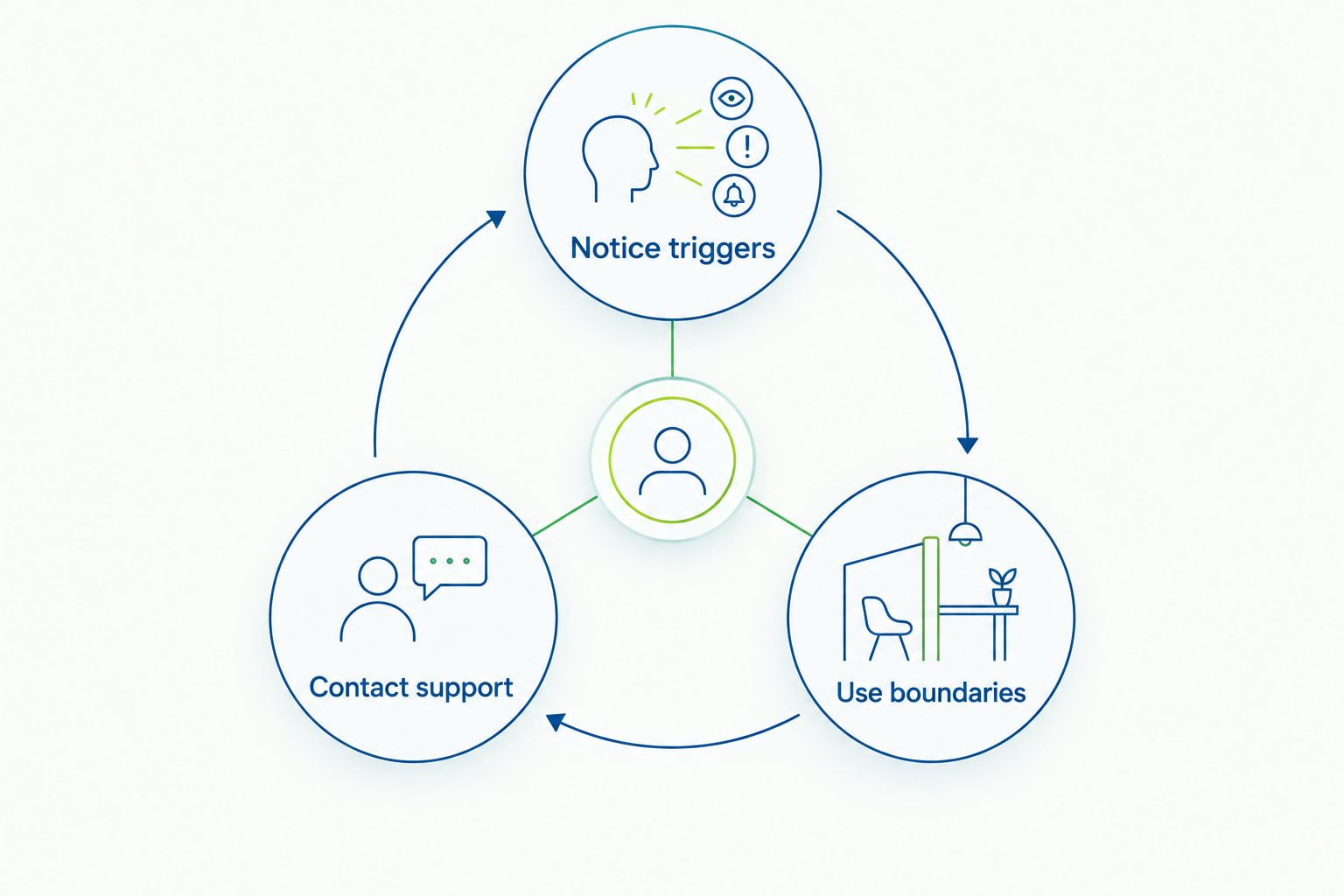
Use a simple recovery loop: notice triggers, use boundaries and contact support. If a boundary fails or substance use returns, tell your treating team promptly. Review the plan rather than treating the setback as something you must conceal.
- Notice triggers: record changes in cravings, sleep and behaviour.
- Use boundaries: adjust events or travel that threaten recovery.
- Contact support: keep agreed clinical and peer-support arrangements.
- Protect appointments: include follow-up care in your work calendar.
- Review setbacks: seek help promptly after renewed substance use.
Compare treatment options for sales professionals
The right option depends on clinical assessment, not seniority, commission earnings or the importance of an account. These approaches serve different purposes; detox and peer support are not substitutes for a full treatment plan.
Use this comparison to prepare questions for a 2026 assessment. Ask what each option addresses and what additional care you will need.
| Option | Best for | Main benefit | Key limitation |
|---|---|---|---|
| Medically supervised detox | People whose assessment identifies withdrawal-management needs | Clinical support during withdrawal | Does not by itself address ongoing addiction patterns |
| Residential addiction treatment, including The Cedars | People needing structured care away from their everyday environment | Separation from triggers alongside a treatment programme | Requires time away from ordinary work and home responsibilities |
| Outpatient addiction treatment | People assessed as suitable for care while living at home | Treatment without a residential stay | Requires reliable attendance and a sufficiently safe environment |
| Peer recovery support | People seeking ongoing connection alongside appropriate treatment | Shared experience and recovery support | Does not replace medical assessment or withdrawal management |
Before choosing, ask how the proposed approach handles mental health concerns, family involvement and continuing support. Do not assume that every provider offers every option listed here.
Explore treatment for your next step
Review private addiction treatment and prepare questions about assessment, family support and recovery.
Common mistakes sales professionals make when arranging treatment
Using sales results as evidence that help can wait
A strong quarter does not answer whether substance use is harming you. Assess control, consequences and safety rather than waiting for a performance warning. Bring examples from home as well as work to your clinical appointment.
Choosing care solely around the next deal
A convenient schedule is useful only when the treatment is clinically appropriate. Explain an upcoming launch or renewal, then let the assessment guide the setting. Arrange account coverage instead of asking treatment to fit around every commitment.
Promising to stay available throughout residential rehab
Constant availability undermines the work boundary you are trying to establish. Ask about the programme's communication arrangements before making commitments. Give colleagues an escalation route that does not depend on you answering every message.
Returning to the same entertainment routine without a plan
Good intentions do not specify what to do when a client orders drinks or an overnight trip becomes difficult. Rehearse alternatives and exit arrangements with your treating team. Review whether particular events are appropriate during your recovery.
Treating confidentiality as complete isolation
You can limit disclosure without handling recovery alone. Choose trusted support and clarify consent with your provider. Keeping colleagues uninformed does not require keeping your clinician or supportive loved ones unaware of difficulties.
FAQ
What is the best addiction treatment for sales professionals?
The best addiction treatment for sales professionals is the level of care recommended after a clinical assessment. Withdrawal risk, mental health, home safety and substance use patterns should guide the decision before work convenience.
Can I keep working while receiving addiction treatment?
Some people receive outpatient treatment while working when clinical assessment supports that arrangement. Residential treatment requires time away from ordinary duties; confirm communication expectations before promising continued availability.
Do I need detox before going to rehab?
A qualified healthcare professional should assess whether you need detox before rehab. Alcohol and benzodiazepine withdrawal can be dangerous, so suspected dependence requires medical advice before stopping or reducing use.
Will my employer find out that I am in rehab?
Do not assume either automatic disclosure or absolute secrecy. Ask the provider about confidentiality and consent, and check which documentation your employer requires through the appropriate authorised contact.
Is The Cedars suitable for someone working in sales?
The Cedars is suited to people seeking private residential addiction treatment with a 12-step approach, relapse prevention and family support. An assessment should establish whether its treatment matches your substance use, mental health and safety needs.
Can addiction treatment help if I also have anxiety or depression?
Addiction assessment should include anxiety, depression and other mental health symptoms. Ask how the proposed treatment addresses both substance use and mental health, including medication review where clinically appropriate.
How do I handle clients who expect me to drink?
Prepare a brief refusal and suggest a meeting that does not centre on alcohol. Discuss difficult events with your treating team, arrange an exit route and avoid sharing medical details you do not want to disclose.
What should happen before I return to sales after rehab?
Agree an aftercare and work-boundary plan with your treating team before returning to sales. Include follow-up appointments, travel decisions, client-entertainment boundaries and a clear response to cravings or renewed use.
One last thing
The first client meeting after treatment is worth planning as carefully as your admission. Decide where it will happen, how you will travel, what you will say if alcohol is offered, and who you will contact if it becomes difficult.
For your 2026 return, choose a meeting format that supports those boundaries. A daytime appointment without alcohol is a practical option when it fits your role and treatment advice. Recovery does not require proving that every old situation is safe immediately; it requires responding honestly to what you need now.
Related guides
- How to talk to your employer about taking leave for rehab
- How to choose between inpatient and outpatient rehab
- How to support your recovery after leaving rehab